Optimal Timing for Ceramic Tile Repairs
Understanding the optimal timing for ceramic tile repairs can help ensure the longevity and quality of the work. Factors such as humidity levels, temperature, and the condition of the existing tiles play a crucial role in determining the best time to undertake repairs. Performing repairs during dry, moderate weather conditions minimizes issues related to moisture and allows adhesives and grout to set properly.
Spring and summer often provide ideal conditions due to warmer, drier weather, which supports better adhesion and curing of materials.
Low humidity levels are preferable for ceramic tile repairs, as excessive moisture can hinder adhesive bonding and prolong drying times.
Repairs should be scheduled when existing tiles are stable and not affected by ongoing moisture issues or structural shifts.
Urgent repairs should be addressed promptly, regardless of season, but plan for optimal weather conditions if possible.
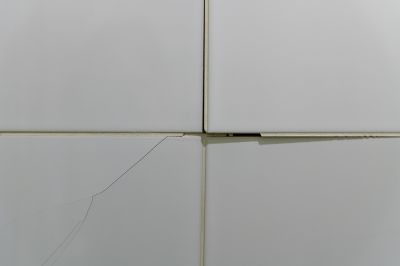
Ways to make Ceramic Tile Repairs work in tight or awkward layouts.
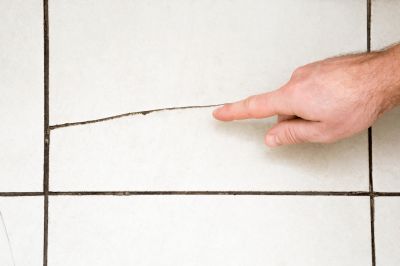
Popular materials for Ceramic Tile Repairs and why they hold up over time.
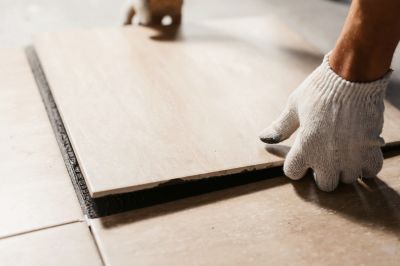
Simple add-ons that improve Ceramic Tile Repairs without blowing the budget.
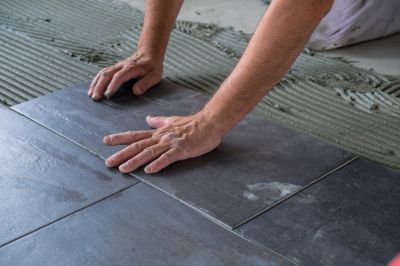
High-end options that actually feel worth it for Ceramic Tile Repairs.
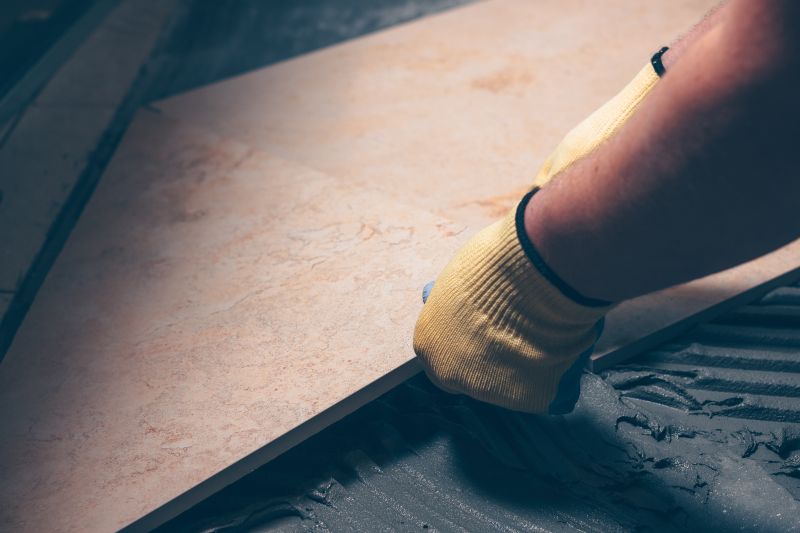
Finishes and colors that play nicely with Ceramic Tile Repairs.
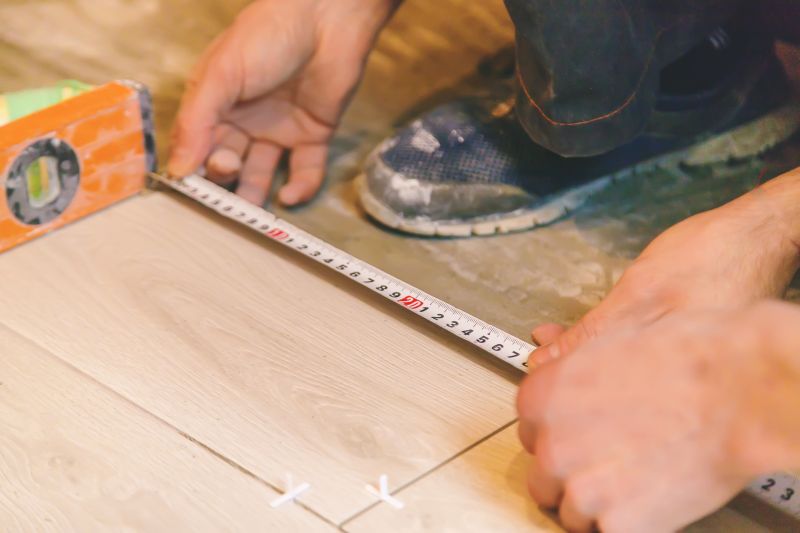
Little measurements that prevent headaches on Ceramic Tile Repairs day.
| Factor | Recommendation |
|---|---|
| Weather Conditions | Perform repairs during dry, moderate temperatures |
| Humidity Levels | Choose periods with low humidity for better adhesion |
| Existing Damage | Schedule when tiles are stable and unaffected by moisture |
| Urgency of Repair | Address urgent issues promptly, considering weather conditions |
| Preparation Time | Allow sufficient curing time in stable environmental conditions |
Ceramic tile repairs are essential for maintaining the appearance and functionality of tiled surfaces. Proper timing ensures that adhesives and grouts cure correctly, reducing the risk of future issues such as cracking or detachment. Statistics indicate that repairs performed during optimal weather conditions have a higher success rate, with a significant decrease in rework and repairs needed within the first year.
Environmental factors significantly influence the durability of ceramic tile repairs. For example, high humidity can weaken adhesive bonds, leading to tile loosening or damage. Conversely, repairs carried out during favorable conditions tend to last longer and require fewer follow-up interventions.
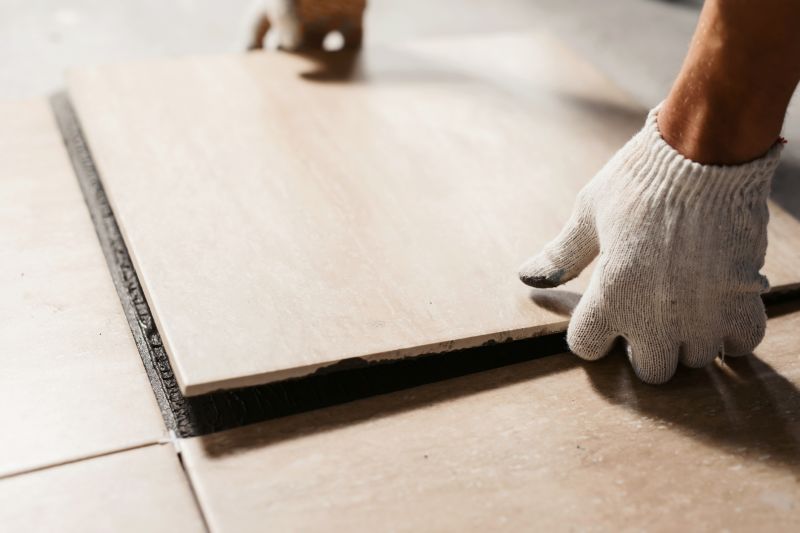
A 60-second routine that keeps Ceramic Tile Repairs looking new.
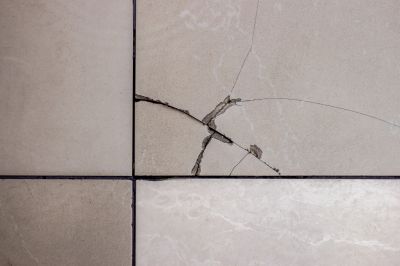
A frequent mistake in Ceramic Tile Repairs and how to dodge it.
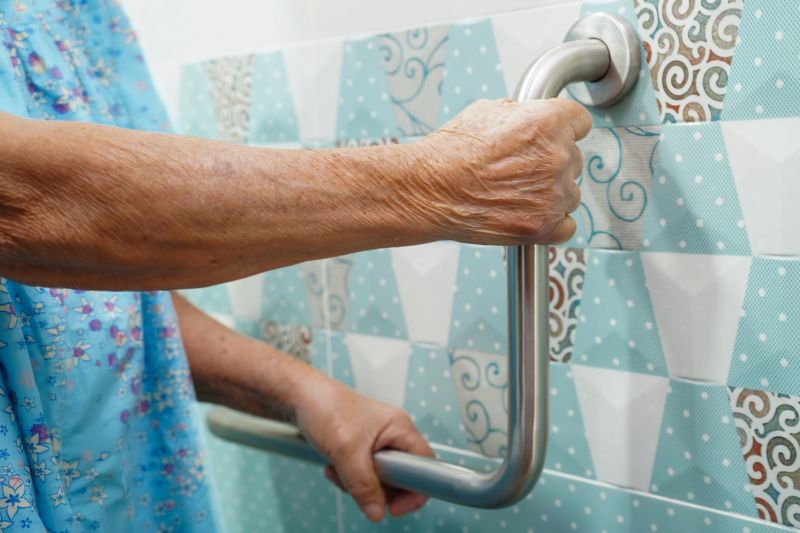
Small tweaks to make Ceramic Tile Repairs safer and easier to use.
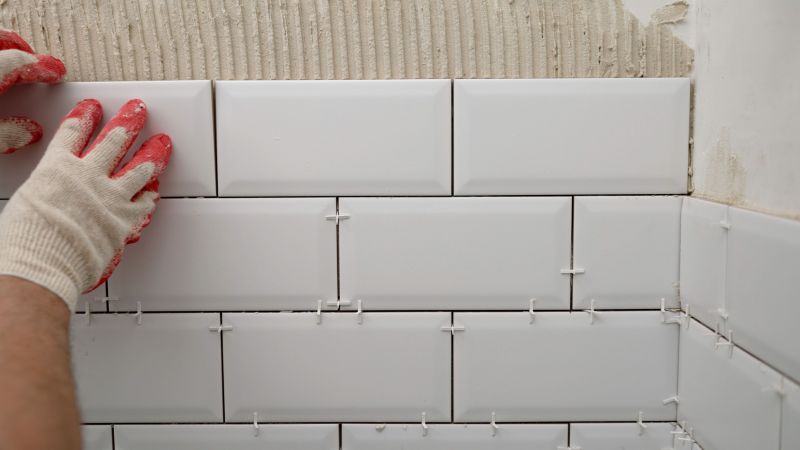
Lower-waste or water-saving choices for Ceramic Tile Repairs.
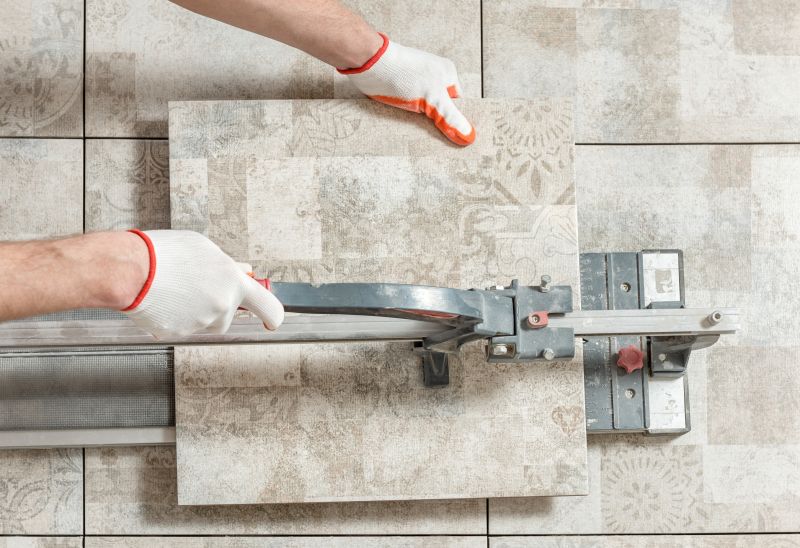
The short, realistic tool list for quality Ceramic Tile Repairs.
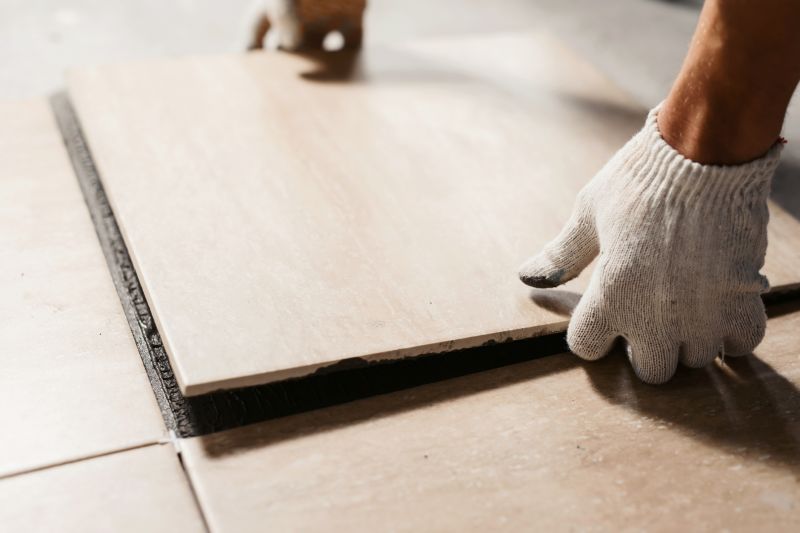
Rough timing from prep to clean-up for Ceramic Tile Repairs.
Interested in ceramic tile repairs? Filling out the contact form provides an opportunity to receive professional guidance tailored to specific needs and conditions. Proper timing and preparation are key to achieving durable, visually appealing results that extend the lifespan of tiled surfaces.