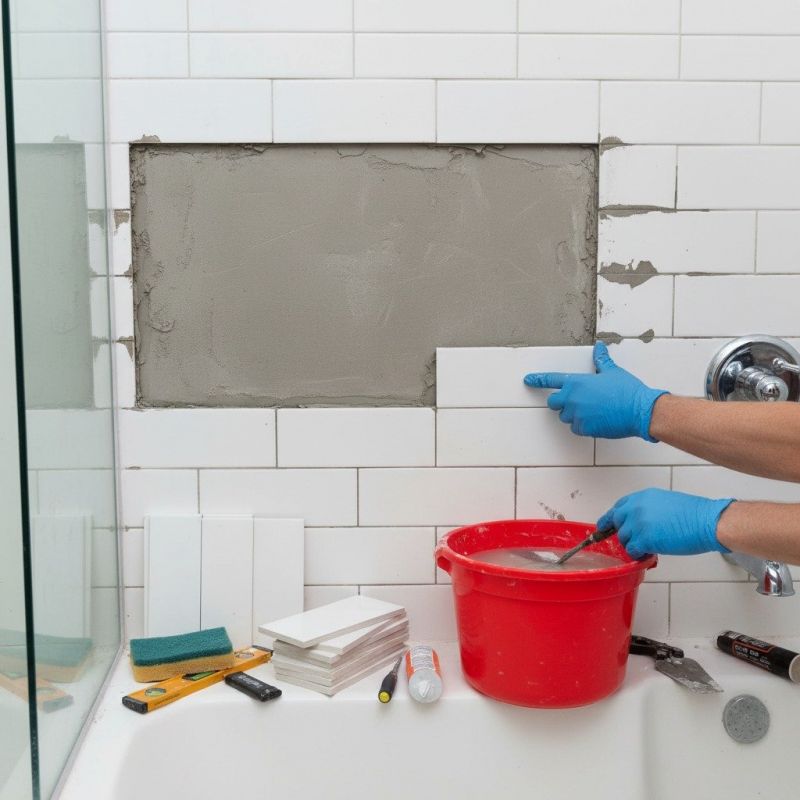
Shower Tile Waterproofing in Longmont, CO
Shower tile waterproofing services involve applying specialized barriers to prevent water from penetrating the walls and floors of a shower area. This service is essential for protecting the underlying structure from water damage, mold, and mildew growth. Projects typically include new construction showers, bathroom remodels, or repairs to existing shower enclosures where water intrusion has become a concern. Homeowners often want to understand the types of waterproofing materials used, the areas covered, and how the process helps extend the lifespan of their bathroom fixtures and surfaces.
Property owners should consider the importance of thorough waterproofing before installing new tiles or after noticing signs of moisture issues. Properly waterproofed showers can reduce the risk of costly repairs caused by water leaks, such as rotting drywall or damaged subfloors. It’s also common to inquire about the durability of waterproofing products and whether the service includes sealing joints and corners where water tends to seep through. Understanding these details can help homeowners make informed decisions about protecting their bathroom investments.
Many property owners in Longmont, CO look into Shower Tile Waterproofing for repairs, replacements, upgrades, and appearance-related improvements.
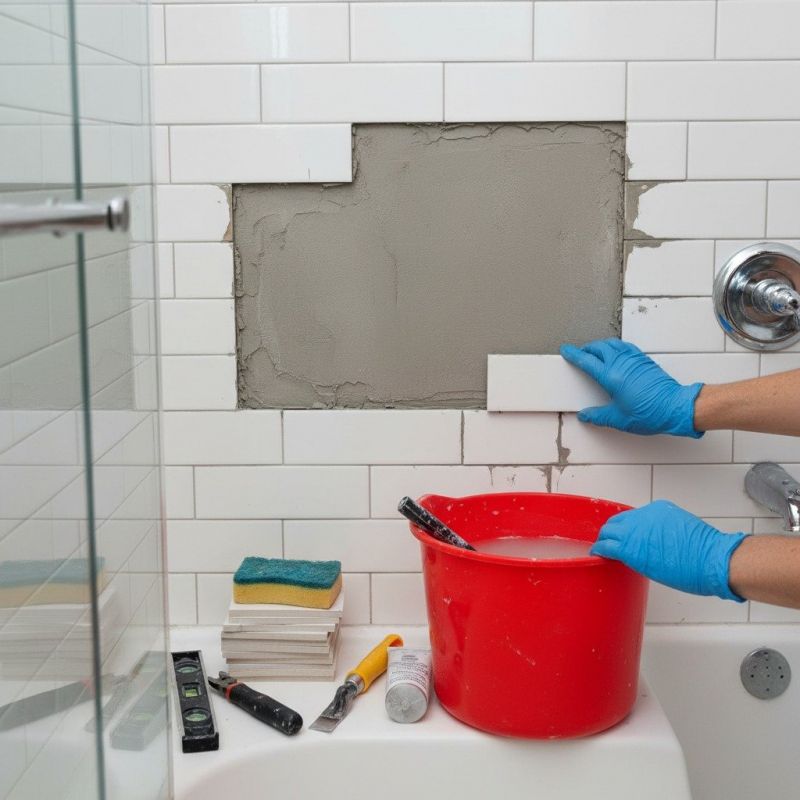
Ensuring Shower Durability
Waterproofing helps prevent water damage and mold growth in your shower area.
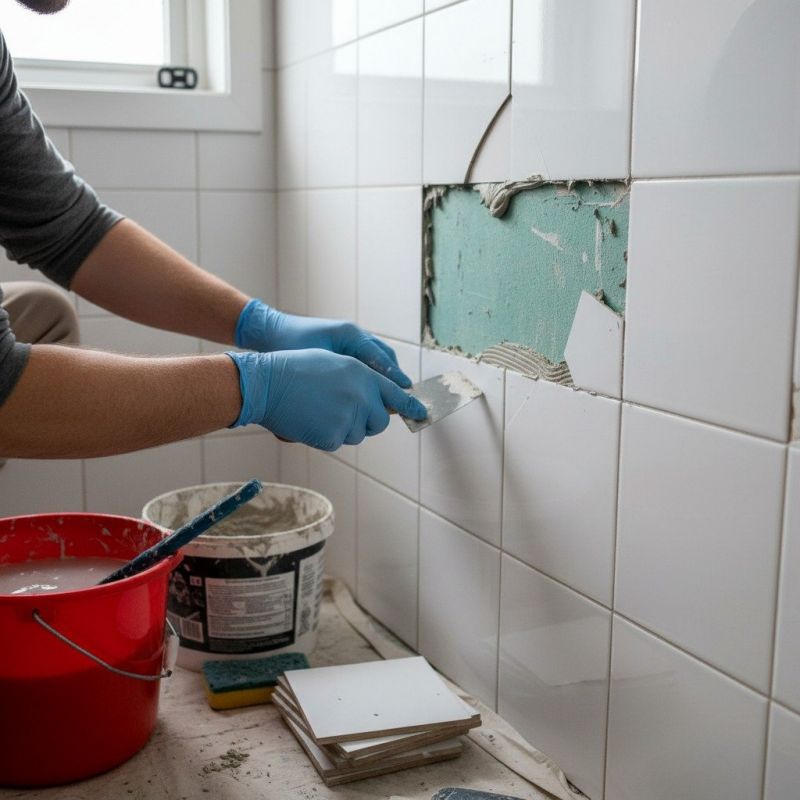
Protecting Your Investment
Proper tile waterproofing extends the lifespan of shower installations in homes around longmont, co.
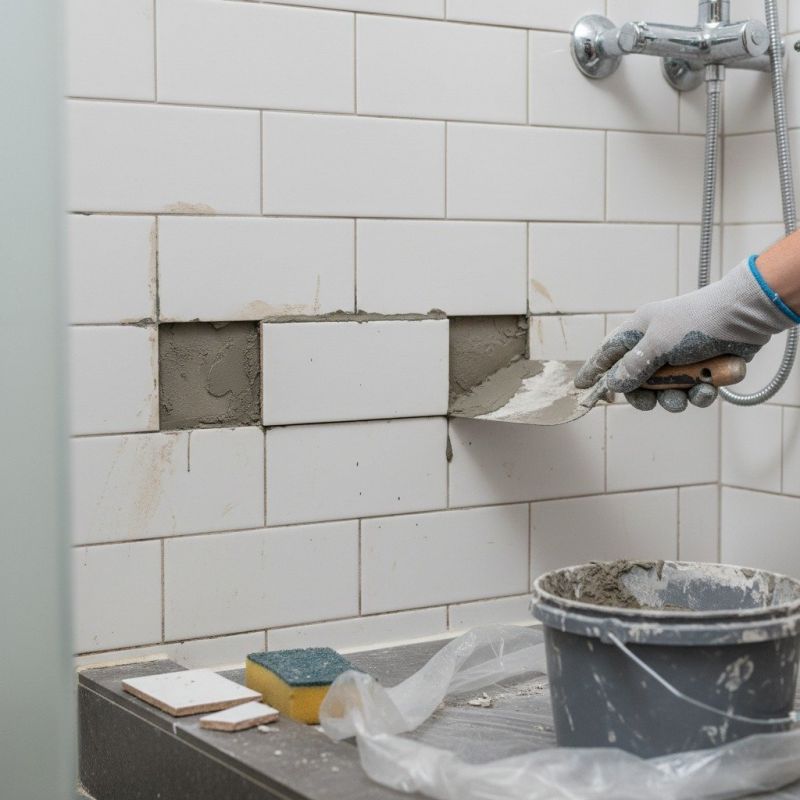
Maintaining A Safe Shower Environment
Effective waterproofing reduces the risk of leaks that can cause structural issues over time.
Shower Tile Waterproofing in Longmont, CO
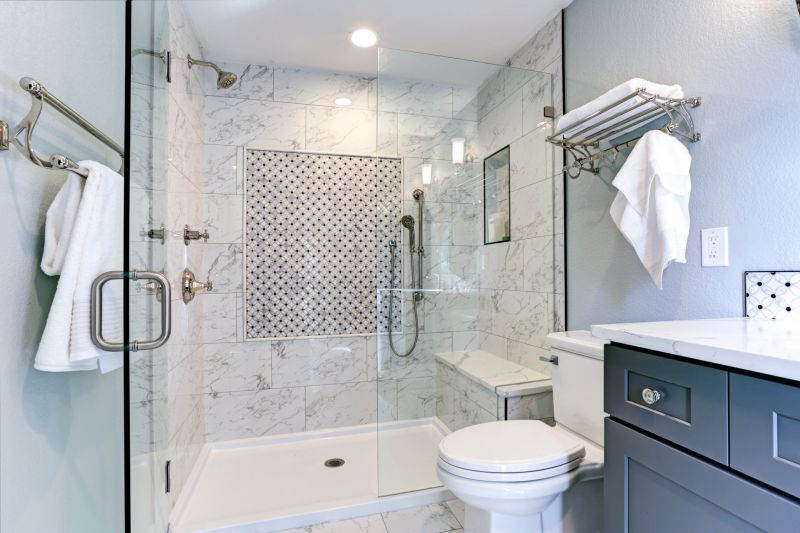
Shower tile waterproofing services involve applying specialized barriers to prevent water from penetrating the walls and floors of a shower area. This service is essential for protecting the underlying structure from water damage, mold, and mildew growth. Projects typically include new construction showers, bathroom remodels, or repairs to existing shower enclosures where water intrusion has become a concern. Homeowners often want to understand the types of waterproofing materials used, the areas covered, and how the process helps extend the lifespan of their bathroom fixtures and surfaces.
Property owners should consider the importance of thorough waterproofing before installing new tiles or after noticing signs of moisture issues. Properly waterproofed showers can reduce the risk of costly repairs caused by water leaks, such as rotting drywall or damaged subfloors. It’s also common to inquire about the durability of waterproofing products and whether the service includes sealing joints and corners where water tends to seep through. Understanding these details can help homeowners make informed decisions about protecting their bathroom investments.
Many property owners in Longmont, CO look into Shower Tile Waterproofing for repairs, replacements, upgrades, and appearance-related improvements.
Common Shower Tile Waterproofing Jobs
Shower tile waterproofing helps prevent water damage and mold growth behind bathroom tiles.
Wet area waterproofing provides a protective barrier to keep moisture from seeping into walls and floors.
Bathroom renovation waterproofing ensures long-lasting results during shower upgrades and remodels.
Tile sealing services enhance waterproofing and protect tiles from water stains and deterioration.
Leak prevention waterproofing minimizes the risk of costly water damage caused by leaks or cracks.
Custom waterproofing solutions address specific shower designs and ensure comprehensive moisture protection.
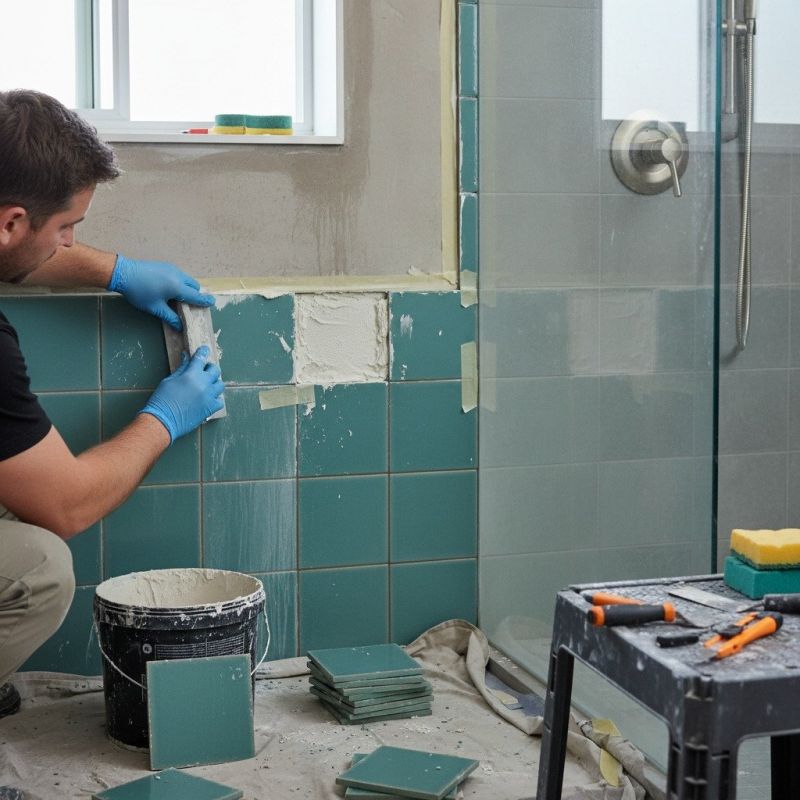
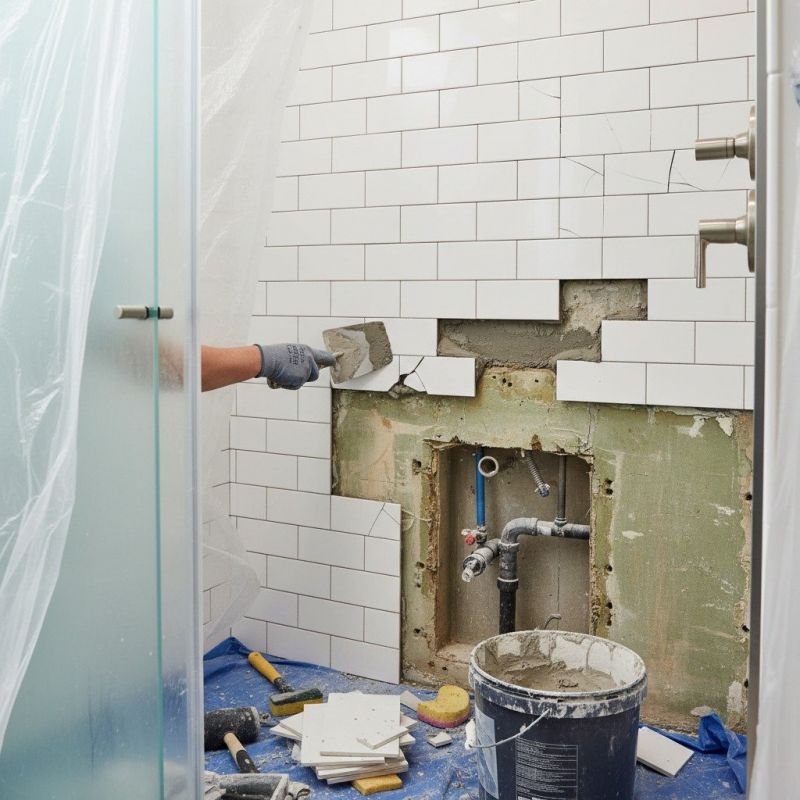
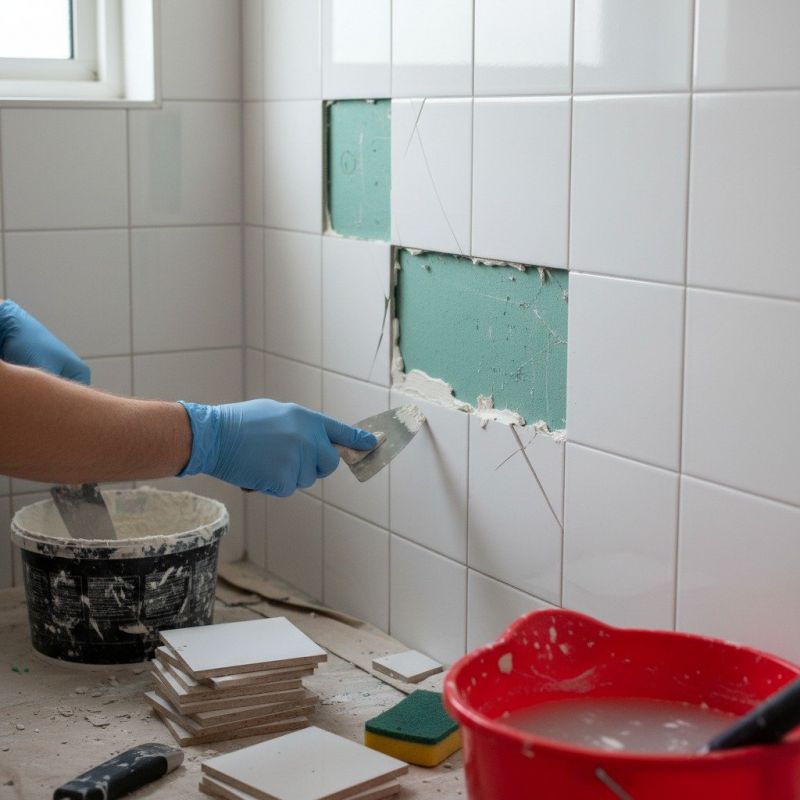
Shower Tile Waterproofing Questions
What is shower tile waterproofing? Shower tile waterproofing involves applying a barrier to prevent water from penetrating behind tiles, helping to protect the underlying structure from damage.
Why is waterproofing important for showers? Proper waterproofing reduces the risk of water leaks, mold growth, and structural deterioration in bathroom areas.
What types of waterproofing methods are used? Common methods include membrane waterproofing, liquid waterproof coatings, and waterproof backer boards designed for wet environments.
How often should shower waterproofing be inspected? Regular inspections are recommended to ensure the waterproofing remains intact and effective, especially after renovations or repairs.
Request Shower Tile Waterproofing in Longmont, CO
Use the quote form on this page to share the basics of your project and request more information for the type of work you need.